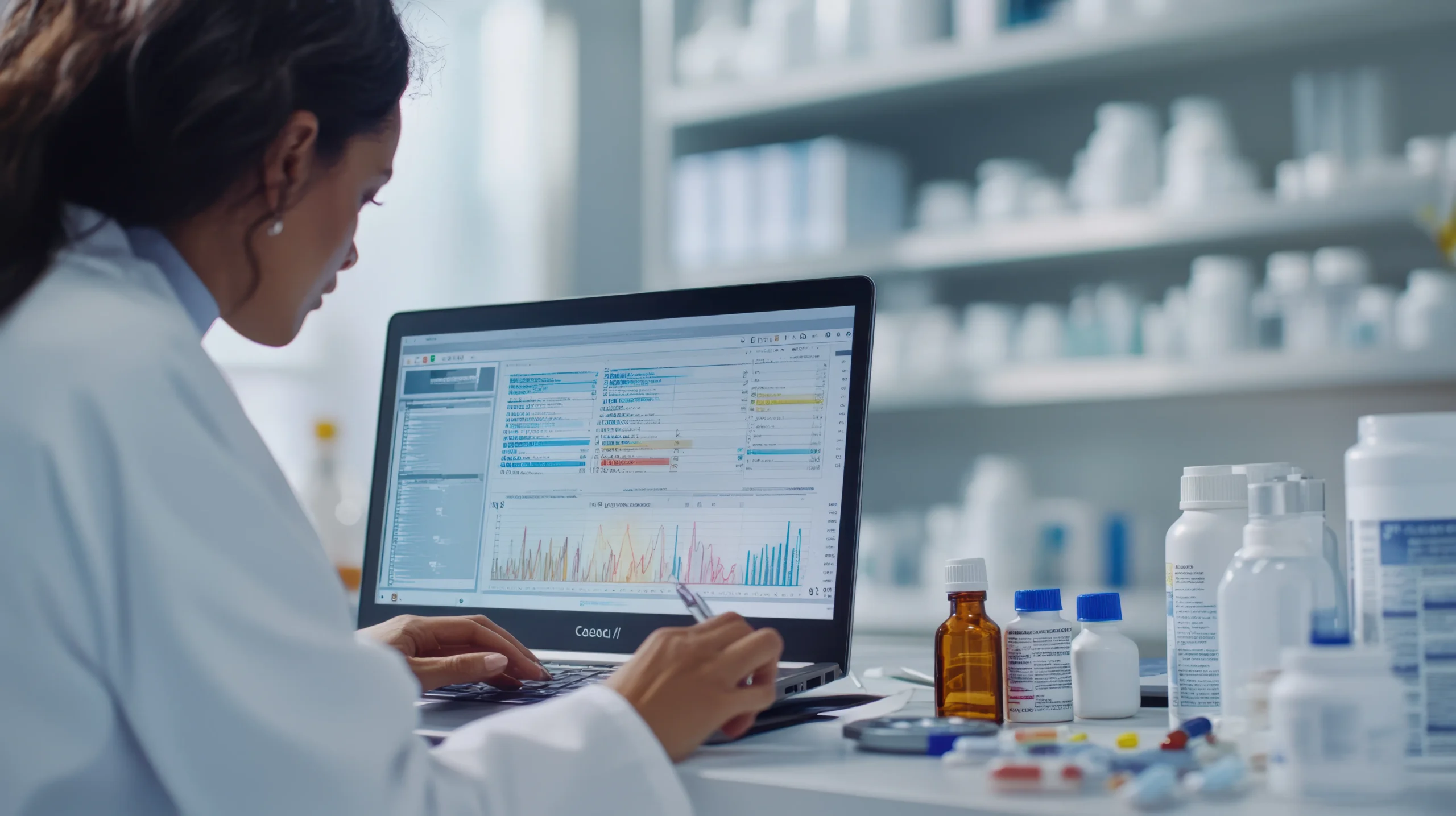
In the health sector, even a small drug interaction may cause significant consequences. Thus, the importance of drug interaction data is quite important, as it helps healthcare professionals to be aware of how one drug may react to another drug, food item, vitamin, or a medical condition before the reaction is manifested.
In simple terms, drug interaction data plays an important role in making drug treatments safe and accurate. Drug interaction data helps medical professionals, such as doctors and pharmacists, along with medical staff, to take necessary steps by providing them with appropriate data. If such data is available within a drug database, it becomes easy to access and apply. A drug information database can also help medical staff work with greater confidence by breaking complex drug knowledge into easily understandable information.
What Is Drug Interaction Data?
Drug interaction data is the clinical information that shows the potential interaction that may occur when a drug is administered with another drug, food, vitamin, and disease condition. While some of the drug interaction may be minor and easily managed, others may affect the performance of the drug and side effects.
This type of information is important as it helps healthcare professionals to identify the risk that may occur before it happens. Instead of recognizing the risk after the treatment, healthcare professionals can use the evidence to make safer choices before the treatment. In many healthcare systems, the information is stored and maintained in a pharmaceutical database.
Why Drug Interaction Data Matters in Healthcare
Healthcare decisions must be made rapidly, but they must also be made correctly. Drug interaction data is a reflection of the balance between making decisions rapidly and making them correctly.
Drug interaction data may help in reducing adverse drug events, making it easier for drugs to be prescribed and dispensed safely, and making clinical decisions that may help along the whole process of patient care. The patient may be in a hospital, clinic, pharmacy, and even telehealth, and the drug interaction data may be helpful in improving patient care and standardization.
If the caregivers are able to utilize trusted medication intelligence, then they are not forced to depend on memory and references. They are able to make decisions more quickly and clearly.
Common Types of Drug Interactions
Drug interactions can happen in several ways, and each type matters in clinical practice.
Drug to drug interactions
This happens when one medication changes the effect of another medication. It may increase toxicity, reduce effectiveness, or create an unexpected response.
Drug to food interactions
Some foods and beverages can affect how a medication is absorbed or metabolized. Even common dietary habits can influence treatment outcomes.
Drug to supplement interactions
Herbal products, vitamins, and over the counter supplements can also interfere with prescription medications. These are often overlooked, which makes accurate data even more valuable.
Drug to disease or condition interactions
A medication may be less suitable for a patient because of an existing illness, organ impairment, age-related risk, or another health condition.
Where Drug Interaction Data Comes From
Accurate drug interaction information isn’t derived from a single source. Instead, it’s developed from a combination of clinical research, studies, government updates, and safety reports from the real world.
Information from clinical trials and studies may be the initial source. Then government agencies may contribute safety warnings, labeling, and prescribing information. Pharmacovigilance reports may provide real-world experience to aid in detecting problems once a drug has been out in the public domain.
To ensure that such information remains relevant, experts review and update it within a drug database to assist healthcare organizations.
To keep this information useful, experts review and maintain it continuously inside a medication database so healthcare organizations can work with current and dependable guidance.
How Healthcare Professionals Use It
Doctors consult drug interaction tables before prescribing a drug, especially when the patient is on multiple drugs or has a chronic condition to manage. A quick check can help them select a safer option, adjust a dose, or intensify monitoring.
Pharmacists use the same data during medication review and dispensing. In many cases, they serve as a final safety checkpoint before the medication reaches the patient.
Healthcare systems also use this information in digital tools, prescribing alerts, and medication review workflows. Hospitals and clinics often rely on a clinical drug database to improve workflow accuracy and reduce the chance of manual oversight.

The Role of Drug Databases in Modern Healthcare
Modern healthcare depends on fast access to trusted information. A strong drug database helps organize medication knowledge in a way that is practical, searchable, and easy to apply in real time.
A well-organized medication database can be helpful to medication management systems, as it can enable faster review and comparison of therapies, as well as risk assessment. In bigger healthcare settings, the pharmaceutical database may be able to support healthcare software, EHR software, pharmacy software, and other medicine-related programs that need medicine intelligence.
This is where drug data becomes more than reference material. It becomes part of the workflow, helping care teams make better decisions without slowing down care delivery.
What Makes a Reliable Drug Interaction Data Source
Not every source of drug data offers the same level of quality. In healthcare, reliability depends on a few essential factors.
The information should be accurate, evidence based, and updated regularly. It should clearly explain interaction severity so healthcare professionals can understand whether a risk is minor, moderate, or serious.
It should also be easy to integrate into digital healthcare systems. If the data is difficult to access or use, teams may not apply it consistently. A dependable drug information database should also offer broad coverage across medications, therapeutic categories, and clinical use cases.
Risks of Incomplete or Outdated Drug Data
If the drug data is incomplete or not current, the implications can be severe. The risk of medication errors increases when the full clinical context is not visible to the healthcare providers. There may be a delay in treatment decisions while the relevant information is searched for or the conflicting information is validated.
Outdated data can also create inconsistency across care settings. One clinician may use one source, while another relies on a different reference with different conclusions. Over time, that lowers confidence in care delivery and weakens workflow efficiency.
In a healthcare environment where timing and accuracy both matter, incomplete drug data is more than an inconvenience. It is a patient safety risk.
Benefits of Using a Strong Drug Data Platform
A strong drug data platform helps healthcare organizations move from reactive care to more informed and proactive decision making.
It supports better patient outcomes by helping teams identify risks earlier. It enables faster and safer decisions because the right information is available when it is needed. It also improves collaboration between providers and pharmacists by giving everyone access to a more consistent source of truth.
On the operational side, it helps create more efficient digital workflows. When trusted medication intelligence is built into healthcare systems, teams spend less time searching and more time focusing on patient care.
Conclusion
Drug interaction data is an essential part of the healthcare system today, and it plays a direct role in the process of protecting the patient and making the right decisions during every stage of the process. This includes the actual process of prescribing and dispensing drugs and the workflow and technology that supports it.
A trusted drug database and clinical drug database can help healthcare organizations turn complex medication knowledge into practical action. As healthcare becomes more connected, faster, and more data driven, better drug data will continue to power smarter care.
FAQs
1. What is drug interaction data in simple terms?
Drug interaction data is information that shows how one medicine may react with another medicine, food, supplement, or health condition. It helps healthcare professionals prevent risks before they affect the patient.
2. Why is a drug database important in healthcare?
A drug database helps organize and deliver trusted medication information quickly. This supports safer prescribing, more accurate dispensing, and better clinical decisions.
3. How does a clinical drug database improve patient safety?
A clinical drug database helps hospitals, clinics, and pharmacies identify interaction risks, reduce medication errors, and support more consistent treatment decisions across care settings.
Make Safer Medication Decisions with Trusted Drug Data
See how accurate drug interaction insights can support better prescribing, stronger workflows, and safer patient care.